Free Riders and Fair Competition
Why EPR Compliance Needs Better Supply Chain Accountability
A business that meets its Extended Producer Responsibility (EPR) obligations pays towards managing the products and packaging it puts on the market after consumers finish using them. It also invests time in keeping records, reporting quantities and checking that it meets the relevant requirements.
When a competitor avoids those responsibilities, it can avoid some of the same costs. Both businesses may sell similar products to the same customers, but only one contributes its share to the systems needed to collect and recycle them.
For compliant producers, this raises a reasonable question: how can the market be fair if some businesses pay while others continue trading without doing so?
Addressing that imbalance requires clearer responsibility throughout the supply chain, practical checks and consistent enforcement. It also requires confidence that EPR contributions are used effectively.
What free riding means in practice
South Africa’s EPR Regulations recognise free riders as producers that benefit from other producers’ efforts within an EPR scheme without fully meeting its requirements.
The most obvious example is a business that should participate but remains outside the system. The problem can also arise when a registered producer reports fewer products than it actually places on the market, omits a relevant product category, or fails to pay its contributions.
Consider two hypothetical businesses importing similar small electrical appliances. One identifies its EPR obligations, reports its products and contributes to an appropriate scheme. The other sells its appliances without meeting the applicable requirements.
When those appliances reach the end of their useful lives, a collection point or recycler may receive products from both businesses. The work still needs funding, even though one importer has not contributed its share.
This does not mean that every missed payment immediately increases another producer’s fee. It means there is less money available relative to the products that need to be managed. That gap can limit collections, pressure recycling operations, or delay investment in equipment and infrastructure.
Why this matters to responsible businesses
EPR contributions form part of the cost of doing business responsibly. Producers need to know their efforts are part of a system in which other businesses also carry their responsibilities. If avoidance appears to have few consequences, businesses that invest in compliance can reasonably question whether the market rewards responsible behaviour.
The effects extend to the people handling the waste. Collection businesses and recyclers need dependable funding to plan their operations. Funding gaps can make it harder to expand services, support emerging enterprises or reach areas where collection is expensive.
Price alone, however, cannot establish that a competitor is avoiding EPR. Businesses have different costs and product ranges. Concerns about free riding need evidence, followed by a fair process for investigating them.
Responsibility needs to be clear before a sale
One reason gaps persist is that businesses may assume someone else has dealt with EPR. An importer may believe that the overseas manufacturer is responsible. A retailer may rely on a supplier’s assurance without checking which products it covers. A business selling under its own brand may not realise it needs to assess its role.
South Africa’s requirements depend on the identified product and the relevant sector notice. Businesses must establish which legal entity carries the obligation in their particular circumstances.
Registration with the Department of Forestry, Fisheries and the Environment (DFFE) is part of that process, alongside the applicable scheme requirements.
This assessment should happen when a business introduces a product or changes its supply arrangements. Waiting until a reporting deadline makes missing information harder to recover and mistakes harder to correct.
Suppliers and buyers should record who is responsible, what products the arrangement covers and how the necessary information will be provided. Their agreement must reflect the law. A contract cannot remove an obligation that legislation places on a business.
Buyers can ask better questions
Procurement teams can help make EPR participation easier to verify. When approving a supplier, buyers could ask:
- Which business carries the EPR responsibility for these products or their packaging
- Is that business registered for the relevant product stream?
- Which EPR scheme covers the products?
- What current evidence can it provide of its participation and contributions?
These are practical checks buyers can implement based on their role and the products they purchase. Checks should be straightforward and proportionate. Businesses should understand what information is needed and have an opportunity to explain or correct gaps. A common set of clear questions would be more useful than multiple lengthy forms requesting the same information.
Accurate reporting and enforcement must work together
Registration brings a business into view, but accurate reporting determines whether its contribution reflects the products it places on the market. Producers therefore need records that connect their EPR reports to their actual business activity.
A new product range, a change in packaging or a different importing company can affect what needs to be reported. Finance, procurement and product teams should share these changes with the person managing EPR. Regular checks against sales, purchasing and import records can help identify omissions before they become recurring problems.
Some gaps result from misunderstanding or weak administration. Others may involve deliberate avoidance. The response should establish the facts, secure corrections and address persistent refusal to comply.
Enforcement also needs to reach businesses that have never entered the system. Repeatedly checking registered producers will leave an important gap if non-participating businesses remain unexamined. In June 2026, the Minister of Forestry, Fisheries and the Environment highlighted the Green Scorpions’ role in targeting EPR free riders and businesses refusing to comply.
Industry associations and PROs can support this work through education and evidence-backed referrals.
Producers also need confidence in where their money goes
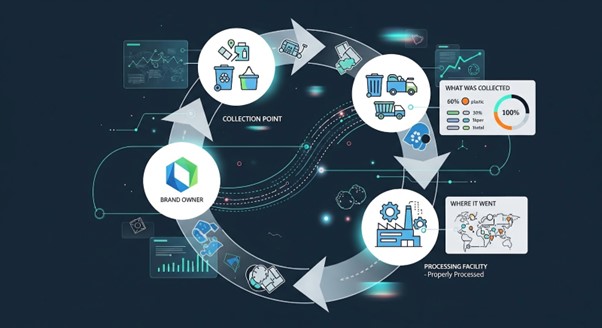
Fair participation must be matched by accountable management of EPR funds. Producers should receive clear information about how their contributions support collection, recycling and other scheme activities, and what those activities achieve.
This accountability helps producers assess the value of their contributions. It also gives industry a stronger basis for encouraging wider participation: businesses can see both the need to contribute and the work their contributions support.
For eWASA, fair competition and effective waste management depend on the same principle: businesses must carry the responsibilities attached to the products they place on the market.
Producers can start by checking their product coverage and reporting. Buyers can ask for relevant evidence when approving suppliers. Industry bodies can help resolve confusion, while regulators investigate suspected avoidance and act on established non-compliance.
Compliant producers need a system they can trust, where responsibility is clear, contributions are verifiable and avoiding the rules has consequences. That confidence supports continued investment in the collection and recycling services South Africa needs.
Sources
- Department of Forestry, Fisheries and the Environment. Amendment to the Regulations and Notices Regarding Extended Producer Responsibility, 2020. Government Notice 400, Government Gazette 44539, 5 May 2021. https://archive.opengazettes.org.za/archive/ZA/2021/government-gazette-ZA-vol-671-no-44539-dated-2021-05-05.pdf
- Department of Forestry, Fisheries and the Environment. Registration in terms of the Regulations Regarding Extended Producer Responsibility, 2020. https://www.dffe.gov.za/registration-terms-regulations-regarding-extended-producer-responsibility-2020
- Department of Forestry, Fisheries and the Environment. Minister Willie Aucamp at the SA Plastics Pact 2030 Targets launch, 1 June 2026. https://www.gov.za/news/speeches/minister-willie-aucamp-sa-plastics-pact-2030-targets-launch-01-jun-2026