
What’s New in Lighting Design and Recycling
Lighting has changed faster than almost any other product category in the built environment. Incandescent lamps gave way to compact fluorescents, then to LEDs, connected controls, sensors and smart building systems. Yet many lighting products still follow a linear model: manufacture, install, use, discard.
That model no longer fits South Africa’s regulatory direction. Under EPR Regulations lighting obligations, producers must think beyond energy efficiency and consider what happens when lamps, luminaires and components reach end of life. Lighting design and recycling now sit in the same conversation. A product that saves electricity but cannot be repaired, opened or recycled still carries a waste burden.
Under EPR, lighting waste must move through formal collection, safe handling, separation and recycling channels so recoverable materials can re-enter the economy instead of ending up in landfill.
Defining Lighting Equipment under EPR
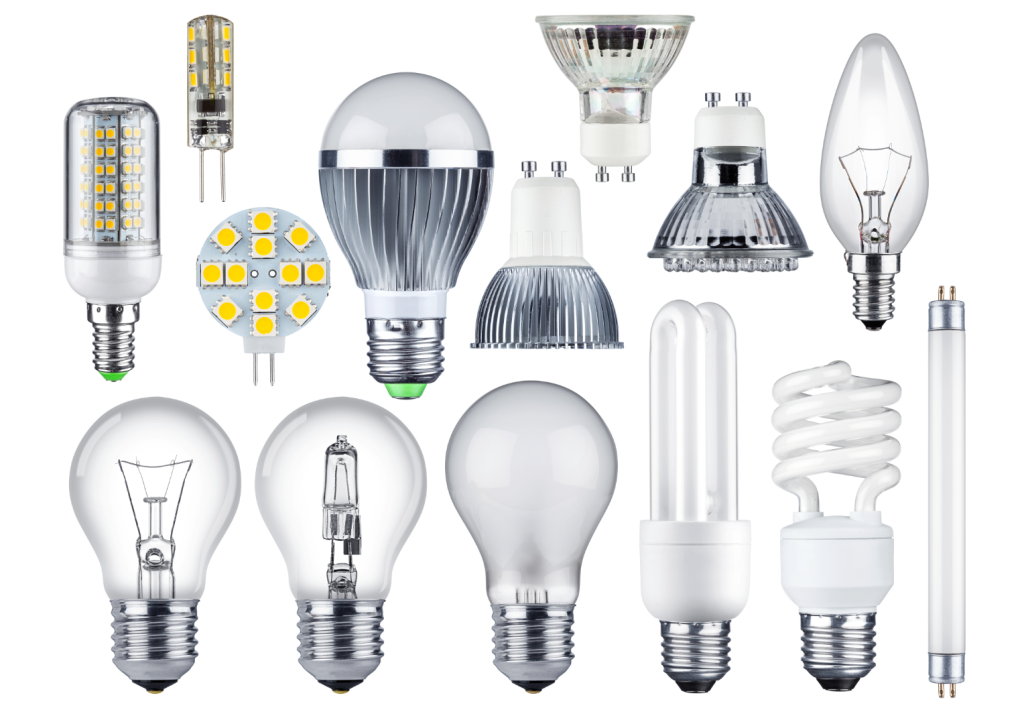
South Africa’s lighting EPR framework does not treat lighting waste as “just bulbs”. The lighting sector notice defines lighting equipment as electrical or electronic equipment used to produce artificial light or illumination, including peripherals such as luminaires, switch components, ballasts, fixtures and modules.
The wider definition means producers need to account for the whole system: lamps, fittings, wiring, casings, control gear, and related components. Producers must provide for collection, reuse, recycling, recovery, refurbishment and environmentally sound disposal, with annual reporting to South African Waste Information System (SAWIS).
End-of-life performance has become part of the product brief. A fitting that is difficult to dismantle may cost more to process. A modular fitting with replaceable drivers, optics and LED engines can keep materials in use for longer.
New trends in Lighting Design
LED technology has opened the door to tuneable colour temperatures, dimming, daylight-linked controls and lighting scenes that respond to how people use indoor spaces. Human-centric lighting uses these features to support visual comfort, productivity and circadian rhythm alignment in offices, schools, healthcare facilities and homes.
Outdoor lighting is moving in a similar direction, but with a stronger environmental lens. Nature-friendly design focuses light only where it is needed, reduces glare, limits upward spill and favours warmer colour temperatures.
Smart and connected light
Smart lighting is no longer limited to premium buildings. Sensors, IoT-enabled luminaires and remote monitoring systems help building owners reduce unnecessary runtime, detect failures and plan maintenance before a whole fitting fails.
This data can also support circular economy lighting. Runtime records, replacement cycles and asset registers give producers and facility managers better evidence about product life, failure patterns and future recovery volumes. Under EPR, that information can improve forecasting, collection planning and reporting.
Modular design
The strongest design shift is toward modular lighting design. Instead of sealing the LED board, driver and optics into one disposable product, manufacturers can use standardised interfaces and replaceable components. Design for repairability, upgradeability, replaceability, serviceability and durability through modular interfaces.
Repairable LED luminaires also create space for remanufacturing. A commercial fitting body may remain structurally sound after its driver fails. Refurbishing that fitting can reduce material demand, cut waste and keep valuable aluminium and steel housings in service.
Design and Recycling Best Practice
Recyclability starts with material selection. Producers are under pressure to reduce hazardous substances, avoid unnecessary coatings, use fewer polymer types and favour metals such as aluminium and steel that have established recycling markets.
These decisions affect treatment costs. Products with fewer mixed materials and lower toxicity can move through recycling systems more efficiently. In time, eco-modulated EPR fees may reward producers that design products with lower recovery costs and clearer environmental benefits.
Good eco design guidelines for lighting should be practical:
- use modular architecture,
- minimise material types,
- avoid unnecessary glue,
- label materials clearly,
- make batteries and drivers accessible, and
- design fittings that recyclers can dismantle safely.
For businesses and municipalities, best practice means
- storing lamps intact,
- avoiding crushing,
- separating lighting waste from general refuse,
- using registered collectors and
- educating staff or residents.
Design for disassembly
Design for disassembly lighting raises a practical question: can a recycler safely open the product using standard tools? If the answer is no, recovery becomes slower and more expensive.
Recyclers need to separate glass, metals, plastics, printed circuit boards, batteries and hazardous fractions. Glued LED lamps, sealed casings and mixed plastics make that work difficult. As EPR matures, “single-use” LED products will face growing scrutiny because they shift hidden costs to collectors, recyclers and consumers.
Off-grid and solar lighting
Off-grid solar lights add batteries, photovoltaic panels and control electronics to the waste stream. Better design means accessible battery compartments, standardised battery formats, replaceable solar panels and clear labelling.
These details matter in rural, municipal and public-area applications where solar lighting can provide social value. Products designed for repair and recycling last longer and reduce the risk of batteries or electronic components entering general waste.
What’s New in Lamp and Luminaire Recycling
Specialised lamp-recycling plants now handle mercury-bearing lamps in controlled systems. Waste lamps can be processed under negative air pressure so mercury vapour is captured in activated carbon filters, while crushed materials move through separation systems for further recovery.
South African recyclers also recover fractions such as glass, ferrous and non-ferrous metals, plastics, mercury and phosphor powder from fluorescent tubes and lamps.
LED recycling is more complex because LEDs combine metals, plastics and electronics, but dedicated processing for these mixed assemblies is developing.
Hazard awareness: why lighting waste can’t go in the bin
Lighting waste South Africa guidance is clear: many end-of-life lighting products need controlled collection and treatment. eWASA notes that DFFE prohibited the disposal of all electrical lamps in landfills from 23 August 2016, and explains that some lighting waste may contain mercury, cadmium, copper and other leachable heavy metals.
Consumers and businesses should not crush or break lamps. Broken fluorescent lamps can release mercury-containing residues and contaminate other waste streams. Hazardous lighting waste disposal depends on intact handling, safe storage and registered collection routes.
EPR-driven collection models
EPR is pushing the sector toward organised take-back. Producers and PROs such as eWASA support drop-off points, retailer take-back, municipal partnerships and accredited recycling networks. eWASA also provides public guidance on what counts as lighting waste.
Smart collection systems can improve this work. Barcoding, digital manifests, weighing systems and sorting data help producers understand what has been placed on the market, what has been collected and what has been recycled.
Meeting Expectations
Producers must now meet collection, recovery and recycling expectations across multiple lamp categories, not only household bulbs. That creates cost pressure, especially for small and medium importers competing in a price-sensitive market.
Design changes also take time. Modular fittings, recyclable housings, accessible drivers and fewer adhesives may require new tooling, supplier changes and product testing. Producers must balance recyclability with performance, aesthetics, safety standards and affordability.
Data creates another burden. EPR reporting depends on accurate weights, materials, product categories and recovery rates across many SKUs. Producers need reliable information from retailers, installers, logistics partners and recyclers. eWASA’s EPR waste legislation and regulations resource helps producers keep track of the relevant regulatory framework.
Behaviour Gaps
Many consumers still do not know which products count as lighting waste. A lamp, LED bulb, fluorescent tube, solar light or old fitting may look harmless once it stops working, but it can contain recoverable materials or hazardous components.
Convenience also shapes behaviour. If drop-off points are hard to find, lighting waste may end up in general refuse. Public education needs to explain what to bring, where to take it and why it matters.
Quality concerns add another barrier. Poor-quality LEDs that flicker, fail early or do not meet lifetime claims damage consumer trust. When products fail before expected, the circular economy message weakens. Better product standards, clearer labelling and visible take-back options can rebuild confidence.
For producers, the priority is to review product portfolios against EPR and eco-design criteria. Products that last longer, repair easily and move cleanly through recycling systems will be better positioned as regulations and customer expectations tighten.
For consumers and facility managers, the action is simple: stop binning lamps. Use registered drop-off points, choose lighting products designed for longevity and recyclability, and support take-back systems that move South Africa from linear LEDs to a genuinely circular lighting economy. Producers can work with eWASA’s lighting EPR scheme to close that loop.

