
The Surprising Things That You Can Recycle
Recycling is by no means a new idea, but it’s only recently made it back into the mainstream. Humans have been using and reusing things since ancient times. As our society advanced, however, we started taking on a more wasteful culture. And now, things have come full circle. For the past 50 years, recycling has once again become the best way to deal with waste.
Landfills may have worked for a while, but they’re fast filling up. Today it’s all about finding creative ways to reuse materials and give them new life. All around the world, recycling is on the rise.
The Most Widely Recycled Materials
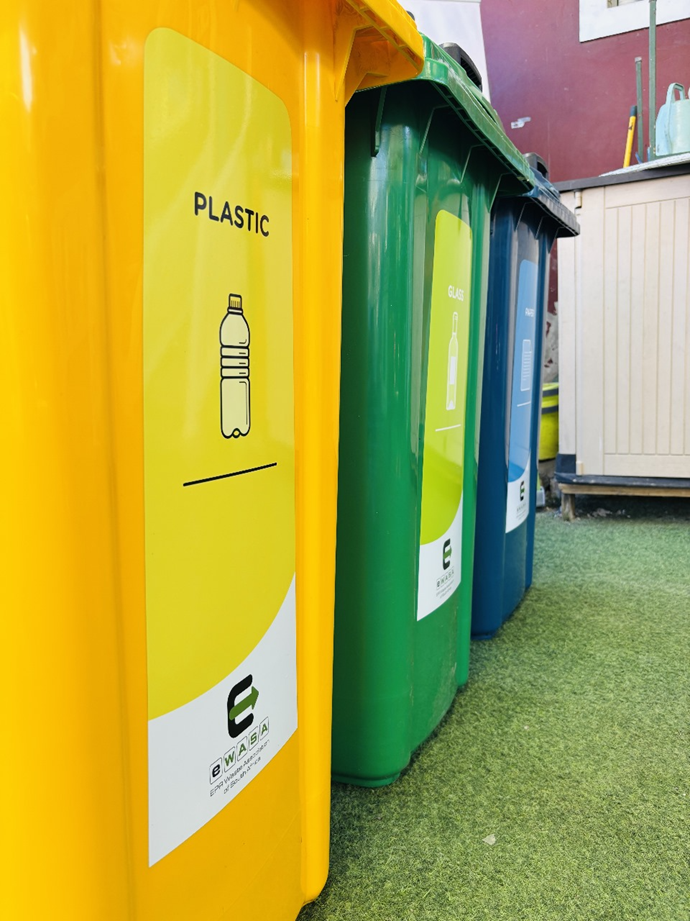
So what can be recycled, and what can’t? The truth is, almost everything is recyclable with the right technology. When recycling had its first renaissance in the 1980s, it was all about saving landfill space. And that meant going after packaging and other common household waste. Today, these materials are recycled widely.
- Polystyrene. eWASA reports a 31% recycling rate for polystyrene
- eWaste. The estimated recycling rate for e-waste is between 7 and 12% in South Africa
- Paper and cardboard. South Africa has a paper recycling rate of 65%.
- Plastic. PlasticsSA reported a 52% plastic recycling rate in 2023.
- Glass. South Africa has a 44% recycling rate for glass.
- Metal cans. Collect-a-Can drives recycling in SA, with a recycling rate of over 70%.
New Recycling Innovations Expand What We Can Recycle
Now that recycling for paper and packaging materials is well underway, the world has started taking on bigger projects. In the digital age of today, it’s all about recycling e-waste. Programs for recycling batteries, bulbs, and electronic components are gaining momentum everywhere.
But what about the rest of our waste? Recycling has become a lucrative industry, and entrepreneurs are starting to tackle traditionally hard-to-recycle items.
Flip Flops

Flip flops (also called slip slops, slops, flops, and plakkies) are made from an often complex mix of different plastics. They’re also cheap, not very durable, and thrown away often. The result? An environmental disaster. Now, initiatives like The Flipflopi Project in Kenya and RFFS Studio in Cape Town have found a way to recycle them. Recycled flip flops can be turned into furniture, sculptures, and even boats.
Printed Circuit Boards (PCBs)

PCBs are integral to all electronics. You find them in everything from computers and smart phones to cars, coffee machines, and children’s toys. They are often made of fibreglass and usually contain copper, silver, and even gold components. Recycling PCBs has become very lucrative, and many e-waste recyclers in South Africa will accept them.
Bicycle Tyre Tubes

The inner tube of a bicycle tyre is what keeps it inflated and ready to ride. It’s usually made from synthetic rubber or latex. Up until recently, punctured bicycle tyres and tubes only had one destination: landfills. Today, they are recycled by many organisations worldwide. Malawi’s Cycle of Good, for example, recycles bicycle tubes into bags, wallets, and belts.
Solar Panels

Solar is said to be one of the cleanest energy sources – but what about the PV panels used to catch it? Like batteries and other e-waste, solar panels are now recyclable. Countries around the world (including South Africa) have joined the race to find the best recycling methods for used solar panels and the valuable materials they hold within.
Clothes and Curtains

The fashion industry has become a major contributor to pollution, but brands are finally waking up. Textile recycling is on the rise, helping us conserve resources and prevent old clothes from going to landfill. In South Africa, recyclers like Connacher and Rewoven are leading the way.
Hotel Linens

Hotels go through plenty of sheets, towels, pillow cases and bed sets. Many of these items can be repurposed. Since 2019, South African NPO Royal Kidz has been partnering with hotel chains to recycle old bed sheets into high quality cotton school shirts for kids in need.
Golf Balls

Golf balls are made from many layers of rubber and high-performance plastic packed tightly together. They are not biodegradable and can take hundreds of years to decompose in nature. WeGotBalls recovers lost golf balls and refurbishes them for resale. This keeps toxic materials out of the environment and makes golf more accessible to those on a budget.
Recycling’s Role in a Sustainable Future
Recycling is not only about using less landfill space and keeping nature clean. It’s also about conserving resources. When we recycle, we can make new products from old ones instead of harvesting raw materials from the earth. This approach is crucial to our long-term success as a civilisation. Without recycling, we will eventually run into resource shortages that could threaten our way of life. Building an economy that reuses its raw materials is a much smarter move for the future.
Recycling also creates room for innovation. The new technologies we develop to deal with waste could lead to advancement in other industries and areas of life. These advances can help us move our society forward while preserving the planet we live on.
Be Part of the Recycling Revolution
Recycling is the future – don’t get left behind! Start recycling at home, work, or school to take part in the circular economy. Read our blog on How to Make a Difference this Cleanup and Recycle Week. Business owners, the time to switch to recycling is now. Get in touch with eWASA to find out how we can help you.
SOURCES:
- https://ewasa.org/promising-polystyrene-recycling-data-for-2023/
- https://www.linkedin.com/pulse/epr-your-catalyst-competitive-advantage-ewasa-lng8f
- https://www.thepaperstory.co.za/wp-content/uploads/2024/06/243470-PAMSA-Recycling-facts-2023-v4.pdf
- https://www.plasticsinfo.co.za/wp-content/uploads/2024/10/Press-release-2023-polymer-production-and-recycling-stats-.pdf
- https://theglassrecyclingcompany.co.za/wp-content/uploads/2021/10/TGRC-2020-AR-20182019.pdf
- https://www.nampak.com/investors/media-release/2013/collect-a-can-marks-two-decades-of-recycling

